
One of the biggest things that is against the handmade fashion, clothing industry is fast fashion.
Fast fashion is big box store clothing, things you’d find at most shops in the mall and many of the clothing items that are ordered from the internet.
Some of the companies offer clothing in 52 micro seasons. That means new clothes every week!
The only way to make that “affordable” to the American pocketbook is to outsource the work to places and people who need the work so badly that they will work for pennies and use materials that take less time and effort to make.
I know that “easy to care for” is a selling point, though I’m not sure why, many people only wear their clothes once and they are never washed.
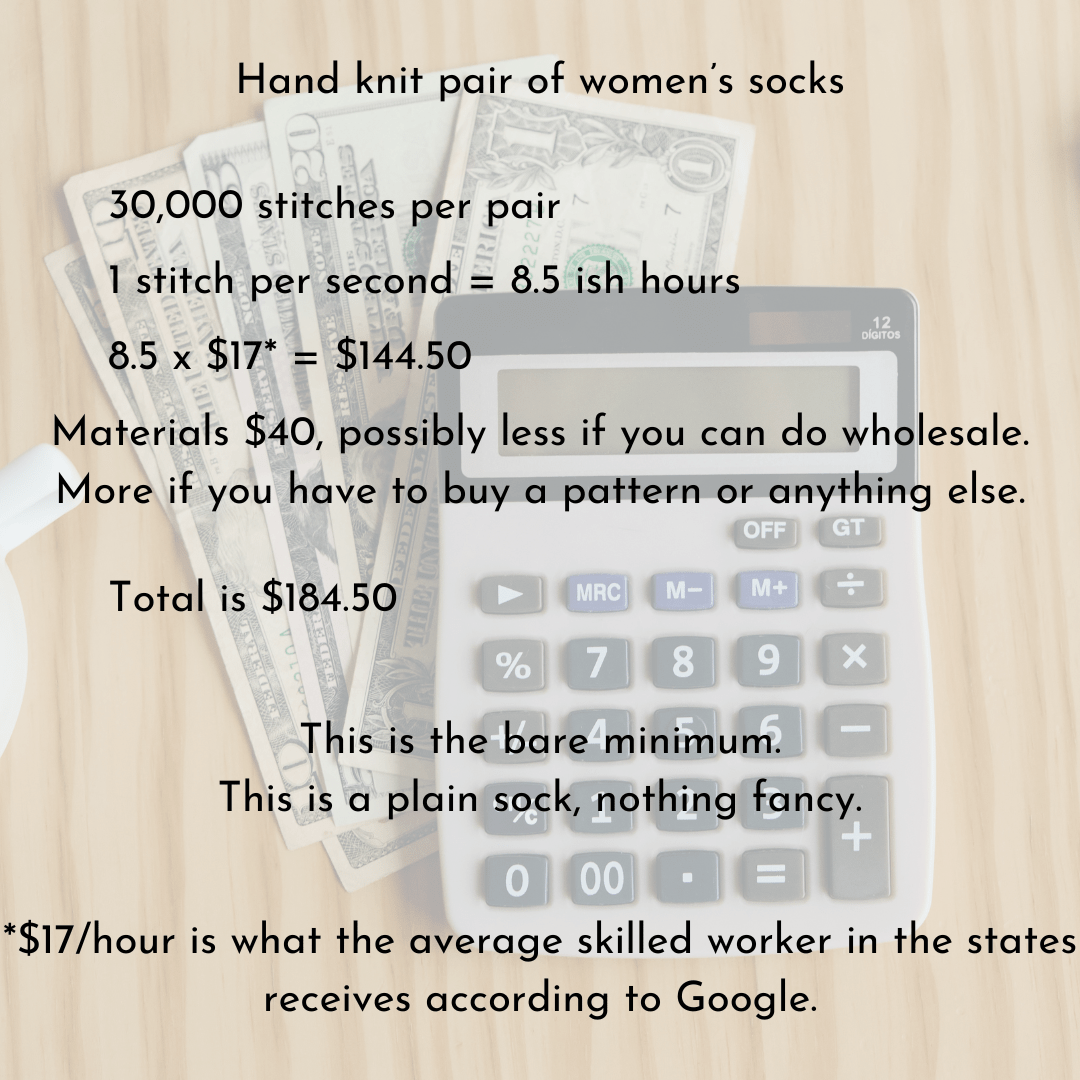
This fast turn over makes it difficult for hand makers to get a chance at a fair price and market. I know that asking a living wage for a hand knit pair of socks isn’t practical. That would about $200.

Sweaters, shawls and scarves could cost thousands.
So what is the answer?
I don’t have a silver bullet but I will share what I do. I make as many of my accessories as I can. I buy 100% cotton pretty much always; very few exceptions. I do that because of the environmental impact of poly fibers and because I am allergic to them. I buy “Made in the USA” whenever I can find it and afford it.
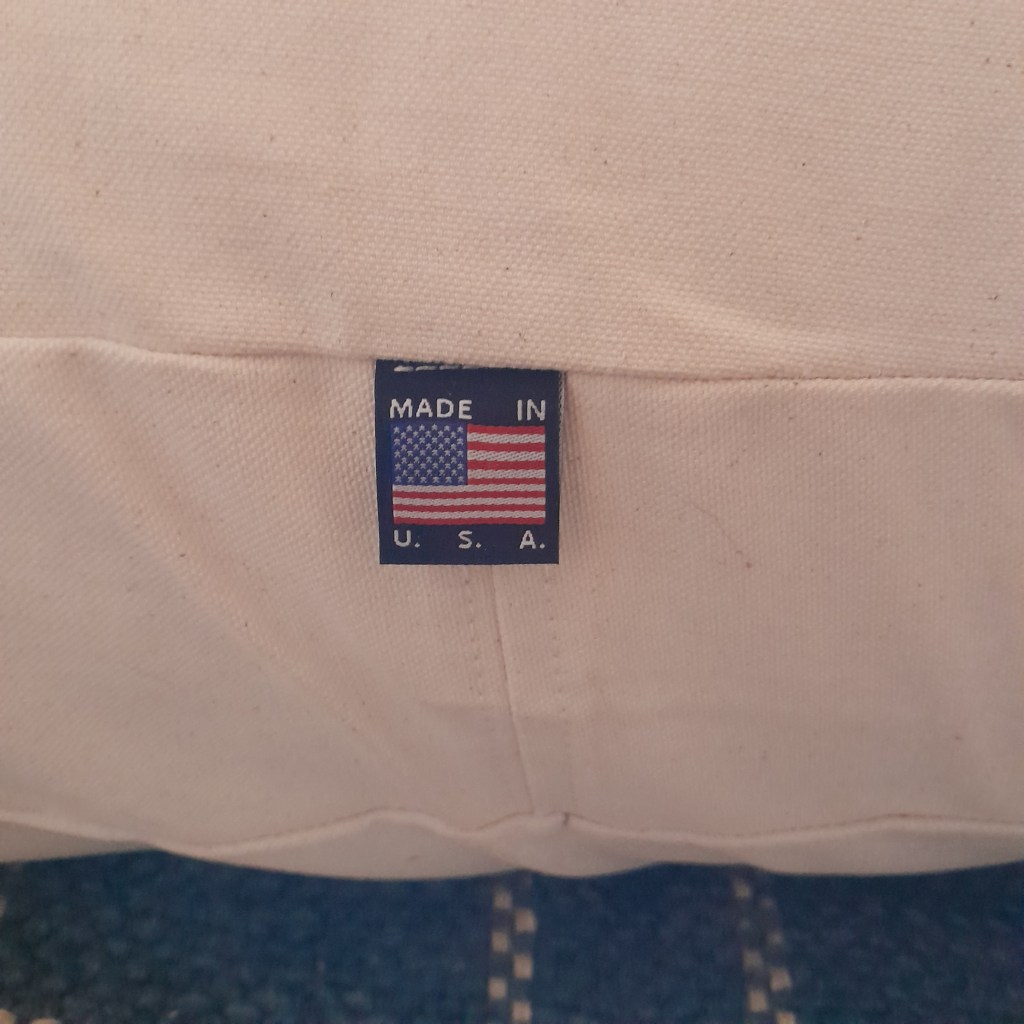
I recently bought a bed for my dog from Cece’s Wool. I feel great about this purchase. Yes it was more than the bed I was looking at in Walmart that morning, but I have confidence that it will last my dog’s lifetime. It also supported a sheep farm and wool processing here in the USA.

Be mindful of where your textiles are coming from and ultimately what you are supporting. Do your research and be an educated consumer. This isn’t just for textiles but for your food, cars, everything. Not everything is what it looks like on the surface. How many creatures died for the burger? A few or a few hundred?
For large purchases such as a car or purchases that are going to be frequent like scrubby pads for the dishes, look at the cradle to grave of the item, from creation to what happens after you discard it. Where do the batteries for the electric car come from and where do they go? Does the scrubby break down when I throw it in the trash? Where does the material to make that scrubby come from? Who makes it? Both the material and the scrubby.
We can’t get everything 100% “clean” all the time here in the states. I know that. However if we each do our part to buy with as clear of a conscience as we can and “vote” with our dollars, we WILL make a difference.
Support makers, farmers and companies that are near you.
One of the things I LOVE about living in Las Cruces is I know the owners of many of the places I go to. I even know the owner of my Chic-Fil-A. Restaurants, print shop, spice shop, plumbing house, electrician, and many more. We also do life together here. We have the same doctor, go to church together and see each other when grocery shopping. Get to know your local shop keepers and know the family you are supporting. You’ll be glad you did.
Happy Making!
 Azariahs Fibre Arts