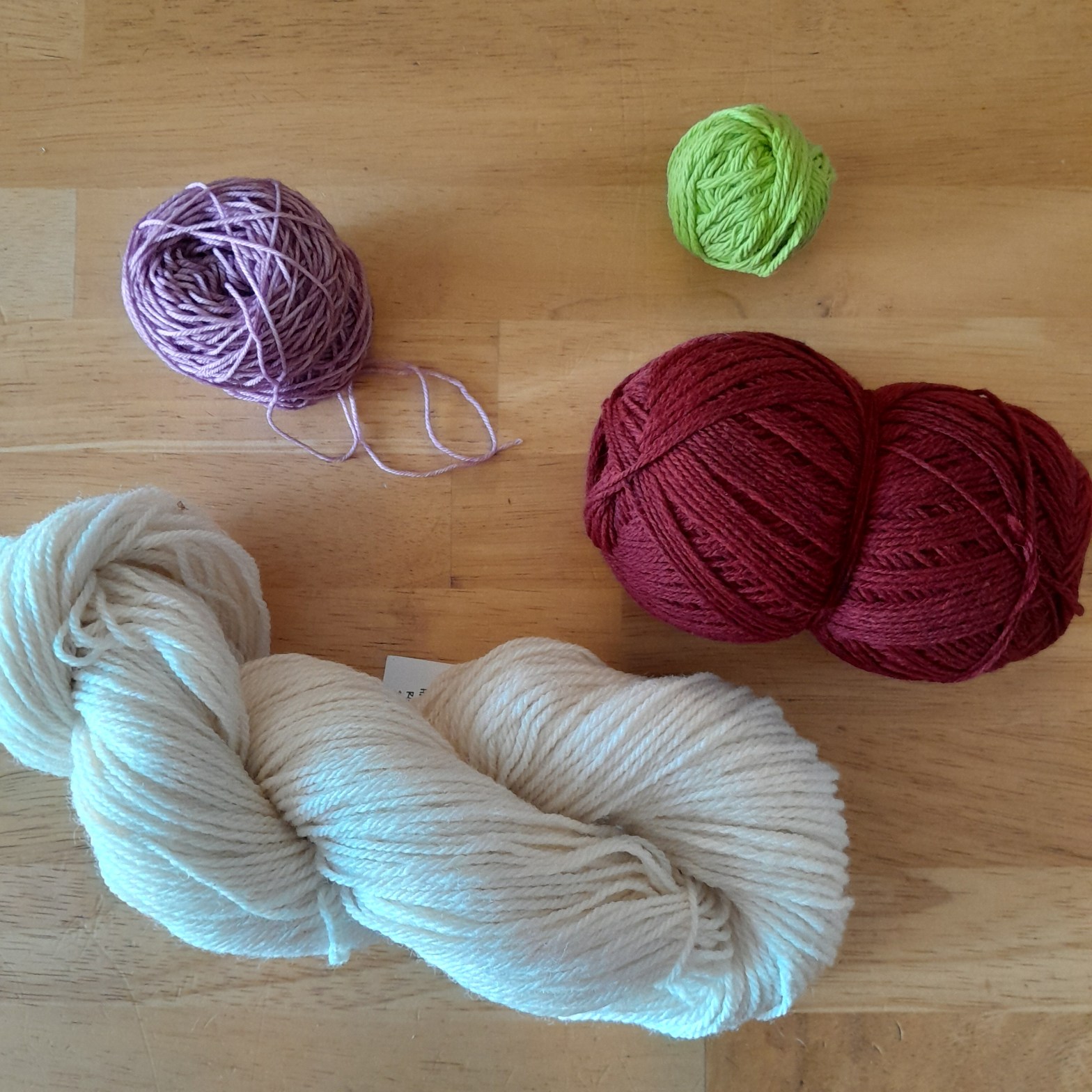
Yarn comes to us in many different forms. Some of them are easier to work with for crocheting or knitting than others. Some require a bit of work and another person or a tool or two to make them user friendly.
Why does yarn come to us in so many different ways? Do the names really matter?

The presentation that takes another person or a tool or two is a hank, shown below.

The hank in the photo above is wound for storage and shipping. In the photo below is what a hank looks like when it is opened and ready to be wound for use.

The best, and easiest, way to wind a hank is to use a swift at minimum and a ball winder if you have it.
The are many different types of swifts available, just Google “yarn swift” and plenty of choices will come up. If you don’t have a swift however, this is where having another person comes in handy.
The other person can be your swift and hold the hank taut over their outstretched hands while you wind, either by hand or using a ball winder.
Winding by hand produces the quintessential ball of yarn we are all familiar with.
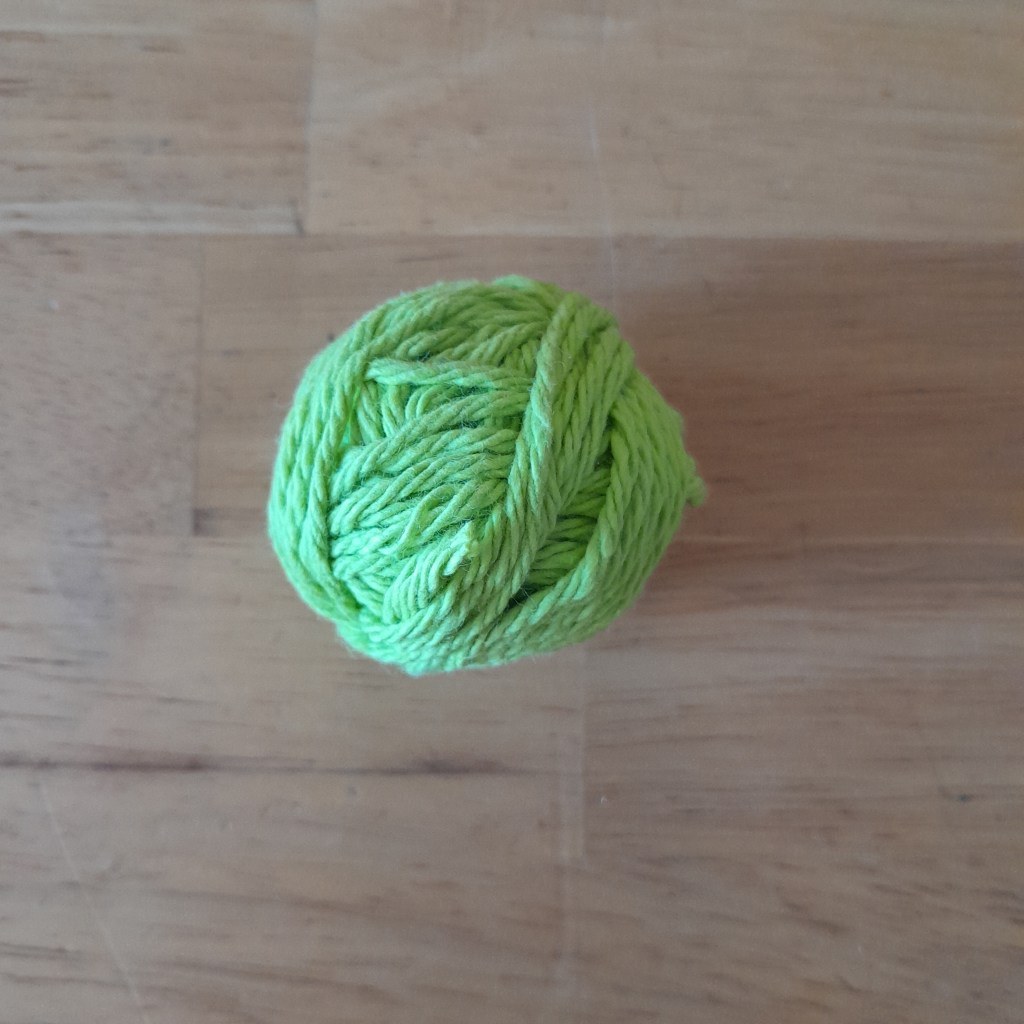
Winding with a ball winder produces a cake or center pull ball.
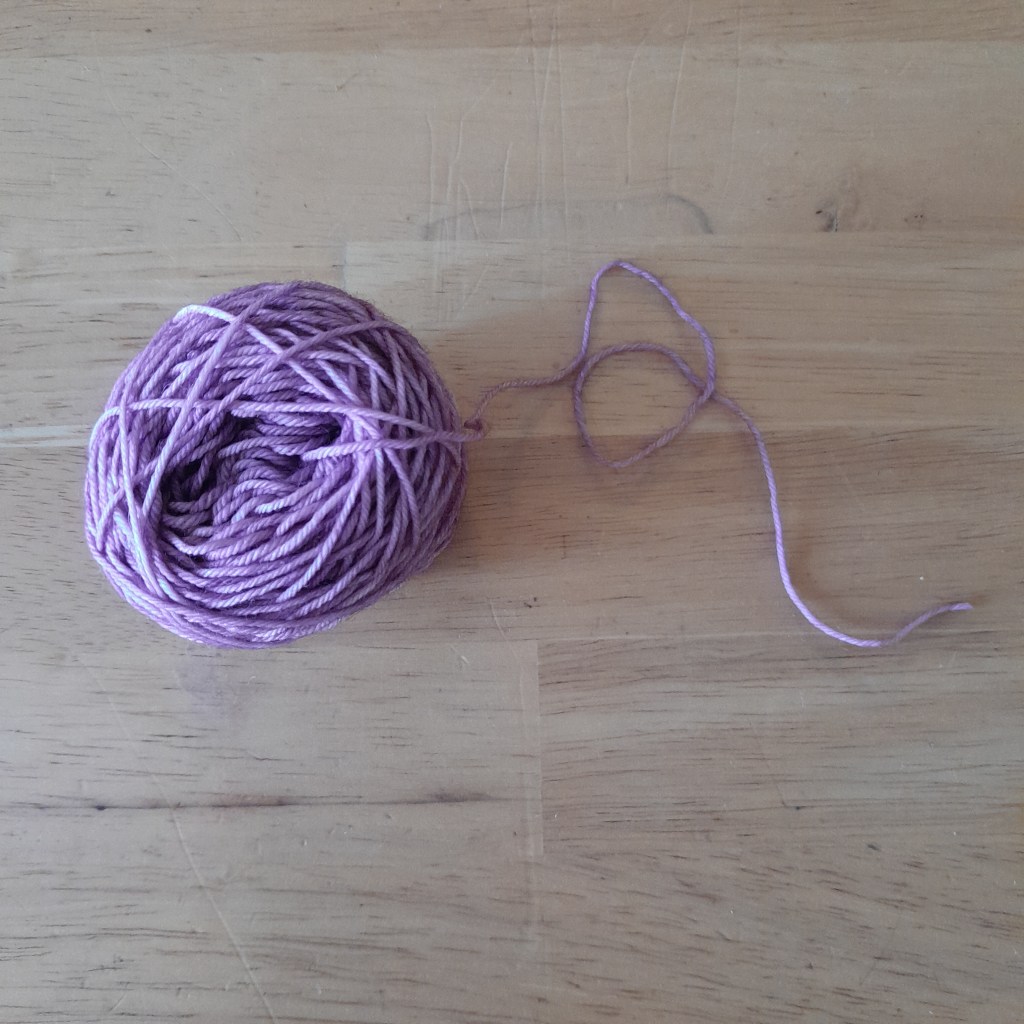
This cake can also be achieved winding by hand and using a nostepinnee. This is a smooth piece of wood that looks like a wand, check Google again to see what they look like, where to get one and how to use it.
So why does yarn come in hanks? Hanks are the least amount of work for yarn coming from a mill and especially from a dyer. Yarns used by dyers have to be in hanks to be dyed. If they were to wind every hank that they dyed it would cut the amount they can produce and raise costs for the extra work. Many mills that provide yarn commercially don’t always sell their yarn in hanks, it depends on where dyeing is in their process.
The yarn form that is easiest for us to use is a skein. Most commercial yarn comes this way. This yarn takes no prep, just pull out the middle, with maybe some yarn barf, and start stitching. You can also work from the outside in or use both ends simultaneously.
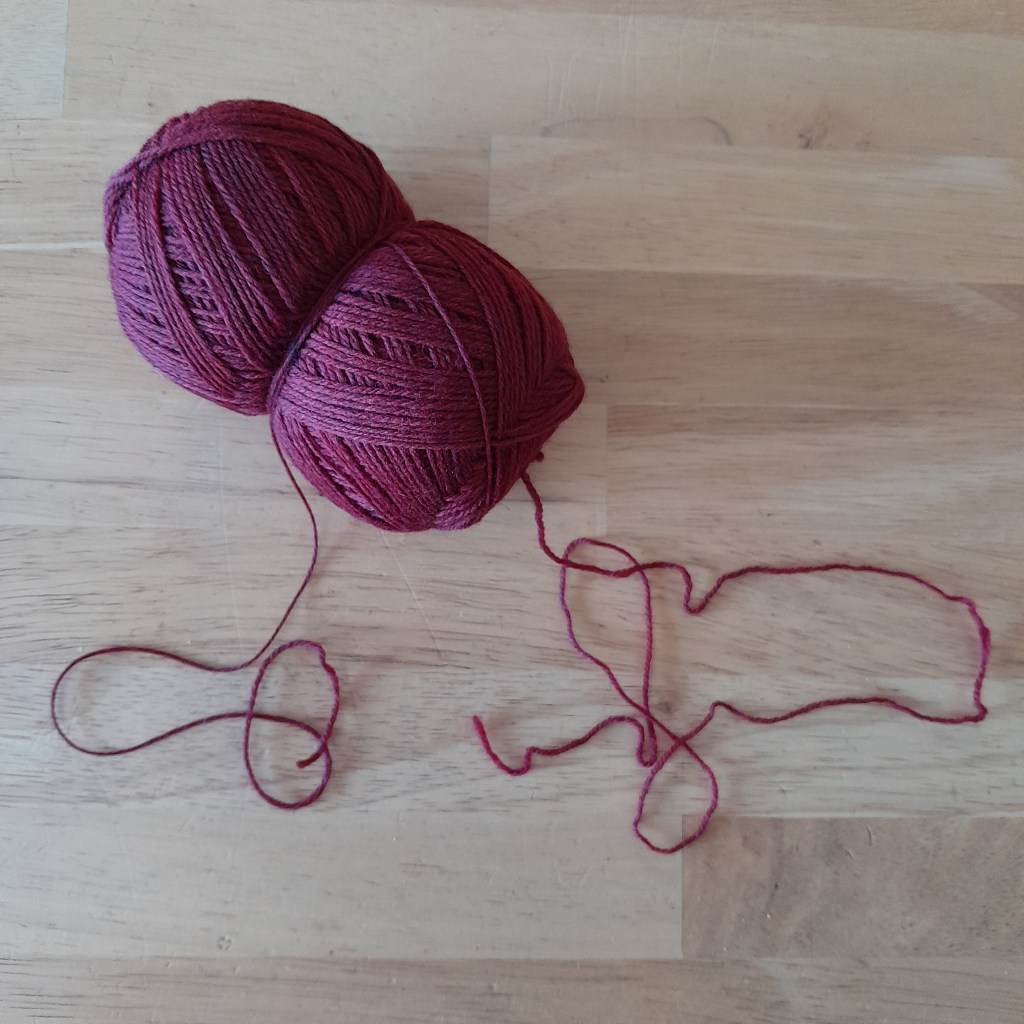
These skeins come in many different sizes. The largest one I have had was a pound of worsted weight yarn.
Another factor of how yarn is presented is the fiber content.
Finer fibers will usually come in hanks or in small round cakes, but rarely in skein form.
Do the names matter? Generally speaking, probably not so much. If however I invite you come to a dye class and tell you to bring a ball of yarn to dye and you take it exactly as I said, that isn’t going to go as planned. As a designer, and one who strives for clarity, I prefer a pattern to call the form the yarn comes in the correct name so that there isn’t any confusion when the stitcher goes to buy it.
Yarn also comes on cones for weavers and thread wound around cardboard tubes for many uses.
Do you have a favorite? Do you prefer the “correct” words to be used? Join the conversation and comment below.
Until next time…
Happy making!
 Azariahs Fibre Arts